
No products in the cart.

17
Mar
Mar
What Do Peptides Do to You? Risks, Ozempic & Legal Status Explained
What do peptides do to you? Are peptides the same as Ozempic? What is the risk of taking peptides, and are peptides legal or illegal? This evidence-focused guide explains peptides, semaglutide, GLP-1 medicines, safety and regulation.
Searches for what do peptides do to you, are peptides the same as Ozempic, what is the risk of taking peptides, and are peptides legal or illegal have increased as interest in peptide-based medicines and GLP-1 treatments continues to grow.
But there is an important distinction that is often missed: peptides are a broad category of molecules. They are not one medicine, one treatment or one product.
This guide explains the subject from a pharmacy and patient-information perspective, while separating established prescription medicines from experimental or unapproved peptide products.
Important health information:
This article is for general educational purposes only. It is not
individual medical advice, diagnosis or a recommendation to start,
stop or change a prescription medicine. Prescription medicines
should be obtained and used through appropriate healthcare channels.

Ozempic, Wegovy and Mounjaro are different prescription
medicines with different active ingredients and licensed uses.
What Are Peptides?
Peptides are short chains of amino acids. Amino acids are fundamental components involved in the structure and function of proteins and biological signalling.
In medicine and research, different peptides can interact with different receptors and biological pathways. This means the effects of one peptide can be completely different from the effects of another.
So when somebody asks, “What do peptides do to you?”, the most accurate answer is: it depends on the specific peptide.
| Category | What It Means | Example | Important Consideration |
|---|---|---|---|
| Natural peptides | Molecules involved in normal biological signalling | Various naturally occurring peptides | Functions vary considerably |
| Prescription peptide medicines | Medicines developed and authorised for specific indications | Semaglutide | Use according to the authorised product information |
| Dual-pathway medicines | Medicines acting on more than one receptor pathway | Tirzepatide | Different mechanism from semaglutide |
| Experimental peptides | Compounds being investigated in research | Various research compounds | Human evidence and regulatory status can be limited |
What Do Peptides Do to You?
The answer to what do peptides do to you cannot be reduced to one benefit or one effect. Different peptides interact with different receptors and biological pathways.
Some peptide-based medicines are designed to influence metabolic signalling, appetite regulation or glucose-related pathways. Other peptides have completely different functions.
Metabolic Signalling
Certain peptide-based medicines influence pathways involved in glucose and metabolic regulation.
Appetite Regulation
Some GLP-1-based medicines affect appetite and food intake through specific biological pathways.
Biological Research
Other peptides are investigated for scientific purposes and may not have an established clinical use.
Professional perspective:
Never assume that a peptide is safe, effective or appropriate
simply because it is called a peptide. The individual active
ingredient, evidence, quality, regulatory status and intended
use all matter.
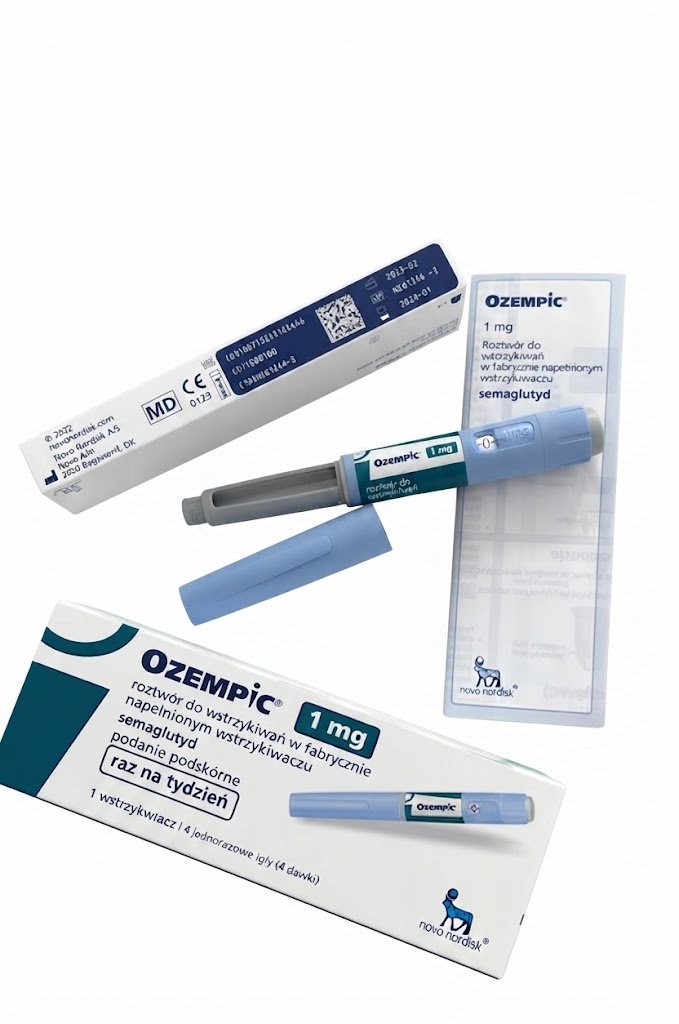
Ozempic contains semaglutide. It is a specific prescription
medicine rather than a general term for peptides.
Are Peptides the Same as Ozempic?
No. Peptides are a broad category of molecules, while Ozempic is a specific prescription medicine containing the active ingredient semaglutide.
Semaglutide is a peptide-based GLP-1 receptor agonist. Therefore, Ozempic can be described as a medicine containing a peptide-based active ingredient, but peptides are not the same thing as Ozempic.
| Feature | Peptides | Ozempic |
|---|---|---|
| What is it? | A broad category of molecules | A specific prescription medicine |
| Active ingredient | Depends on the individual peptide | Semaglutide |
| One specific medicine? | No | Yes |
| GLP-1 medicine? | Some peptide medicines are GLP-1 related | Yes |
| Prescription status | Depends on the specific product | Prescription medicine |
What Is Semaglutide?
Semaglutide is a peptide-based GLP-1 receptor agonist used in several prescription medicines.
In the UK, semaglutide is marketed under different brand names, including Ozempic, Wegovy and Rybelsus. These products do not all have the same licensed indications.
The MHRA explains that Ozempic and Rybelsus are licensed for type 2 diabetes, while Wegovy is licensed for weight management in eligible patients. :contentReference[oaicite:1]{index=1}
What Is Tirzepatide?
Tirzepatide is another peptide-based medicine, but it is not identical to semaglutide.
Tirzepatide acts on both the GLP-1 and GIP receptor pathways. In the UK it is marketed as Mounjaro.
The MHRA lists Mounjaro among licensed GLP-1 medicines and identifies tirzepatide as a dual GLP-1/GIP receptor agonist. :contentReference[oaicite:2]{index=2}
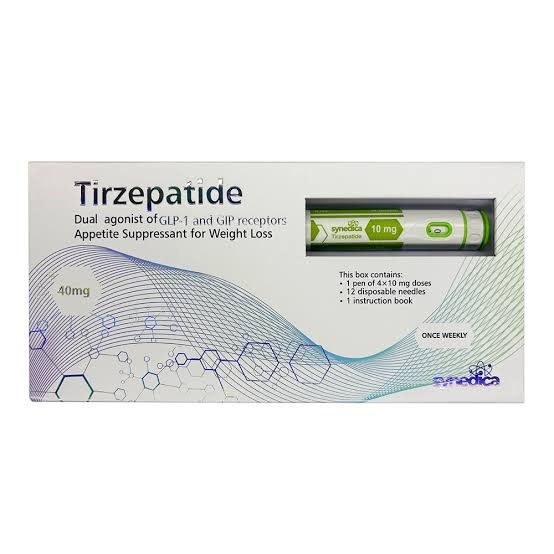
Tirzepatide is a peptide-based medicine that acts on GLP-1
and GIP receptor pathways.
What Is the Risk of Taking Peptides?
Another important question is: “What is the risk of taking peptides?”
There is no single risk profile for all peptides. Risks depend on the exact substance, dose, route of administration, product quality, interactions and the individual’s medical circumstances.
Prescription medicines have product-specific safety information. Experimental or unapproved peptide products may have much less reliable information about quality, dosing and long-term safety.
| Risk Area | Why It Matters | Responsible Approach |
|---|---|---|
| Side effects | Different peptide medicines have different adverse-effect profiles | Review medicine-specific information |
| Dosing errors | Incorrect dosing can increase the risk of adverse effects | Follow the prescribed instructions |
| Product quality | Unapproved products may not undergo the same quality assessment | Use legitimate regulated supply channels |
| Drug interactions | Other medicines and health conditions can affect suitability | Discuss medicines with a healthcare professional |
| Limited evidence | Some experimental peptides lack sufficient human clinical evidence | Do not assume “peptide” means “safe” |
Why Unapproved Peptides Can Be Risky
One of the most important distinctions in peptide education is the difference between an authorised prescription medicine and an unapproved product.
A product labelled “research peptide”, “research use only” or “not for human consumption” should not automatically be treated as equivalent to an authorised prescription medicine.
The FDA warns that unapproved versions of GLP-1 medicines such as semaglutide and tirzepatide have not undergone FDA review for safety, effectiveness and quality before marketing. :contentReference[oaicite:3]{index=3}
The FDA has also reported adverse events associated with dosing errors involving some compounded injectable semaglutide products. :contentReference[oaicite:4]{index=4}
Consumer warning:
An online listing does not prove that a peptide product is
authorised, clinically appropriate, accurately labelled or
suitable for human use.
Are Peptides Legal or Illegal?
The answer to “Are peptides legal or illegal?” is that neither statement applies to every peptide.
Peptides are a broad category. Legal status depends on the specific substance, product, intended use, marketing claims, supply route and jurisdiction.
Therefore, the better question is:
“Is this specific peptide product legally authorised and
supplied for this specific use in this specific country?”
Peptides and Prescription Medicines in the UK
In the United Kingdom, certain peptide-based medicines are licensed prescription medicines.
The MHRA states that GLP-1 medicines including semaglutide and tirzepatide are prescription medicines and that not all products in this category are authorised for the same uses. :contentReference[oaicite:5]{index=5}
| Medicine | Active Ingredient | UK Brand Example | General Licensed Use |
|---|---|---|---|
| Ozempic | Semaglutide | Ozempic | Type 2 diabetes |
| Wegovy | Semaglutide | Wegovy | Weight management in eligible patients |
| Rybelsus | Semaglutide | Rybelsus | Type 2 diabetes |
| Mounjaro | Tirzepatide | Mounjaro | Type 2 diabetes and weight management subject to criteria |
Our Professional Pharmacy Perspective on Peptides
When customers ask us about peptides, our approach should begin with the individual product rather than the word “peptide”.
We recommend considering several questions before making decisions about a peptide-based medicine:
- What is the exact active ingredient?
- What is the intended use?
- Is the product authorised for that use?
- What human clinical evidence exists?
- What are the known risks and contraindications?
- Is a prescription or clinical assessment required?
- Is the medicine being supplied through a legitimate healthcare channel?
Your genuine pharmacy experience:
Add a real, anonymised example from your own professional experience here. Explain the customer’s question, what information was checked, how the medicine or product was assessed and what educational advice was provided.
Never publish identifiable patient information.
People Also Ask About Peptides
What do peptides do to you?
It depends on the individual peptide. Different peptides interact with different biological pathways, so their effects can vary substantially.
Are peptides the same as Ozempic?
No. Ozempic is a specific prescription medicine containing semaglutide. Peptides are a broad category of molecules.
What is the risk of taking peptides?
Risks depend on the specific peptide, dose, route, quality, interactions and individual health circumstances. Unapproved products can introduce additional uncertainty.
Are peptides legal or illegal?
Peptides cannot be classified as simply legal or illegal as a group. The legal and regulatory position depends on the particular substance, product, intended use and jurisdiction.
Are all peptides used for weight loss?
No. Peptides have many different biological functions. Only specific medicines have established evidence and authorised indications for weight management.
Is semaglutide a peptide?
Yes. Semaglutide is a peptide-based GLP-1 receptor agonist used in prescription medicines.
Is tirzepatide a peptide?
Tirzepatide is a peptide-based medicine that acts on GLP-1 and GIP receptor pathways.
Frequently Asked Questions About Peptides
What does taking peptides do to you?
The effects depend on the specific peptide. Different
peptides interact with different receptors and biological
pathways, so there is no single effect shared by all
peptides.
Are peptides the same as Ozempic?
No. Ozempic is a specific prescription medicine containing
semaglutide. Peptides are a broad category of molecules.
What is the risk of taking peptides?
The risks depend on the individual peptide, dose, route,
product quality, interactions and individual circumstances.
Unapproved products can carry additional uncertainty.
Are peptides legal or illegal?
Peptides cannot all be classified as legal or illegal.
Regulation depends on the particular peptide, product,
intended use and jurisdiction.
Is semaglutide a peptide?
Yes. Semaglutide is a peptide-based GLP-1 receptor agonist.
Is tirzepatide the same as semaglutide?
No. Both are peptide-based medicines, but they have
different active ingredients and mechanisms of action.
Tirzepatide acts on both GIP and GLP-1 receptors.
Are all peptide products safe?
No. The term peptide does not guarantee safety. Each product
should be considered according to its evidence, quality,
regulatory status and intended use.
Key Takeaways
- Peptides are a broad category, not a single medicine.
- Ozempic is not the same as peptides. Ozempic contains semaglutide.
- The answer to what do peptides do to you depends on the specific peptide.
- The risk of taking peptides varies according to the active ingredient, dose, quality and individual circumstances.
- Peptides are not automatically legal or illegal. Regulation depends on the individual product and jurisdiction.
- Unapproved peptide and GLP-1 products can introduce additional quality, dosing and safety uncertainties.
- Prescription medicines should be supplied and used through appropriate healthcare channels.
Want to Learn More About Peptides & GLP-1 Medicines?
Explore GLP1Health’s educational resources for information about peptide-based medicines, semaglutide, tirzepatide, GLP-1 treatments and responsible healthcare decisions.
EXPLORE GLP1HEALTHTrusted Medical & Regulatory Resources
For the most authoritative information, readers should check official healthcare and medicines-regulatory sources.
Medical disclaimer:
This article is intended for general education and does not
constitute individual medical advice. Medicine availability,
licensing, prescribing requirements and regulatory status can
change. Always consult an appropriately qualified healthcare
professional regarding your individual circumstances.